Why stucco needs a different approach
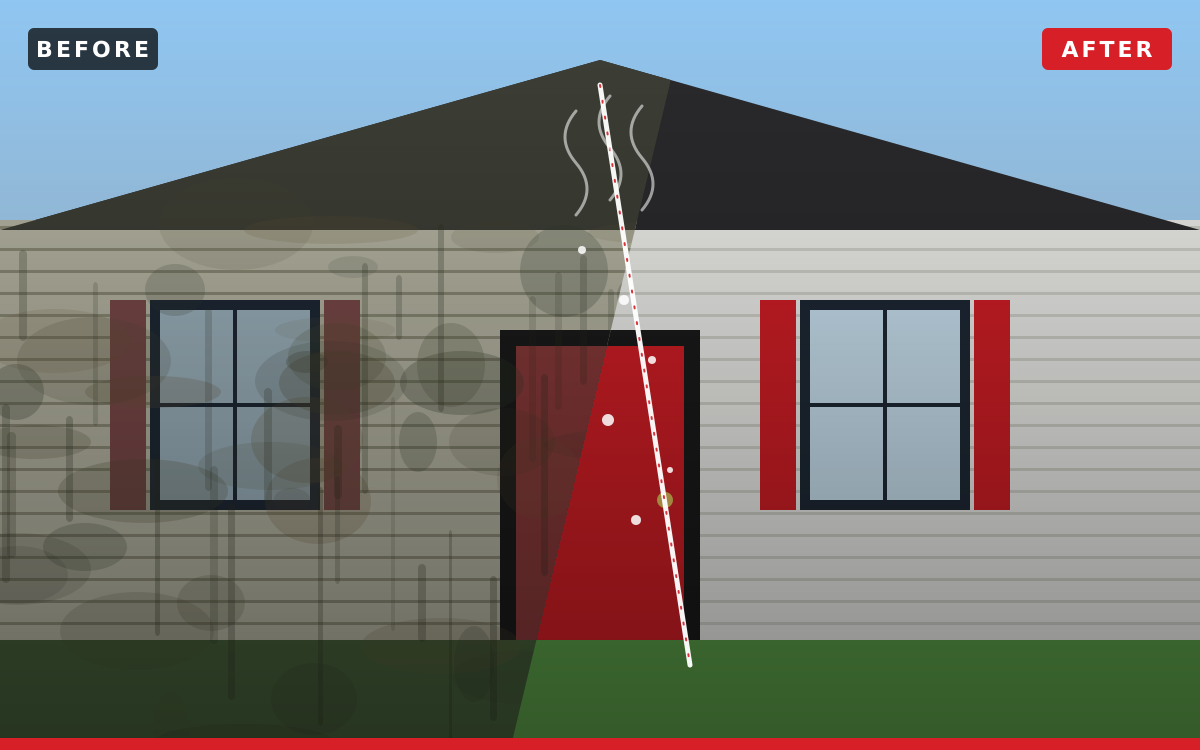
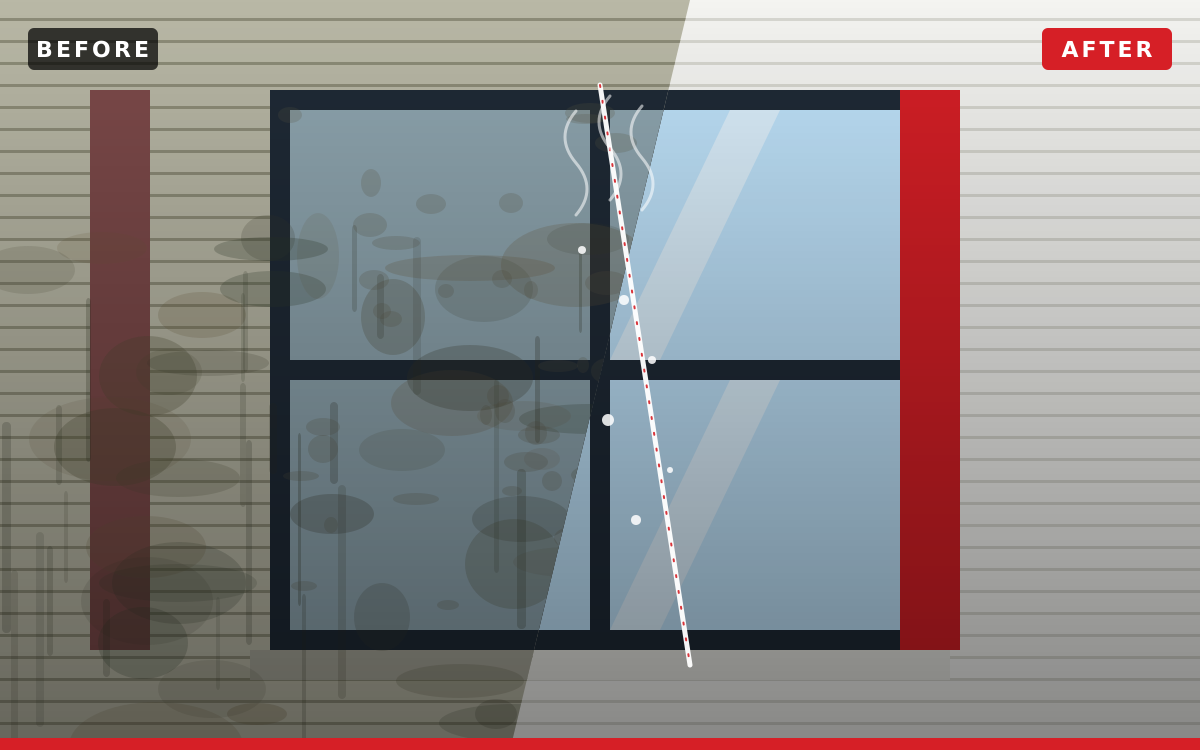
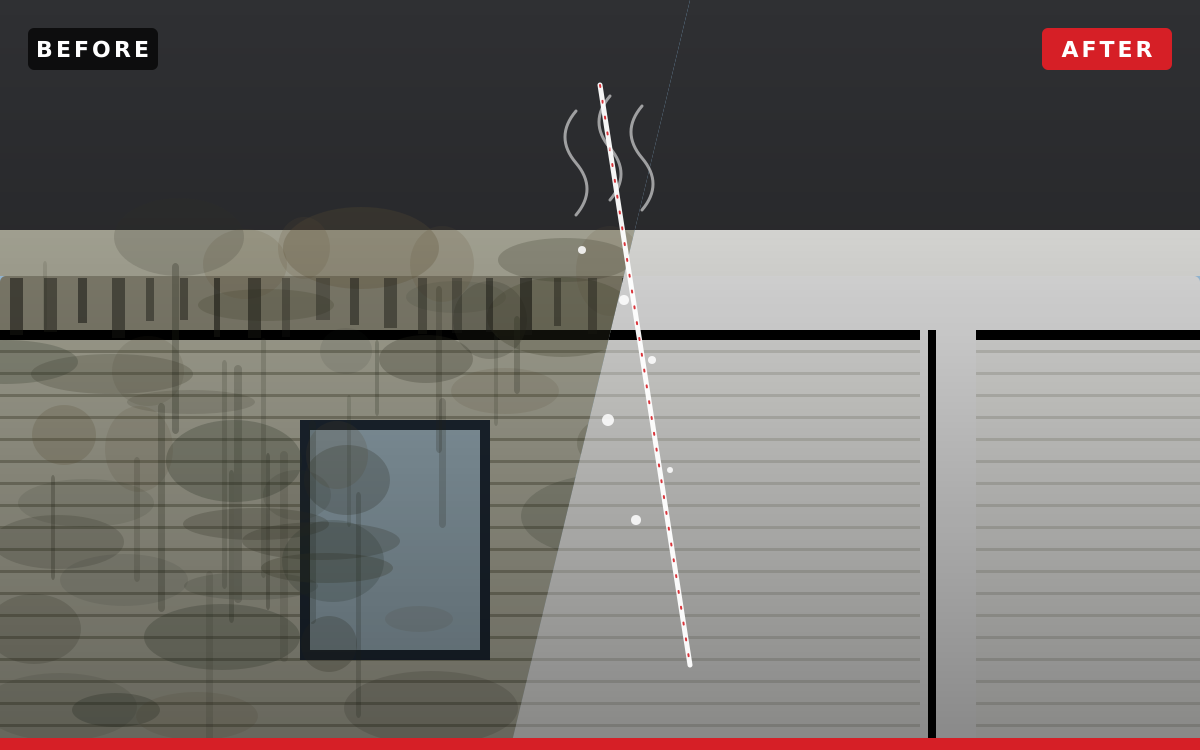
Stucco is a cement-based finish with a rough, sandy texture. That texture is what makes it attractive, and it is also what collects pollen, dust, and spores. In the humid South, algae and mildew move into stucco more quickly than they do on smooth siding. You will often see dark vertical streaks under windowsills and roof edges, green patches on the shaded side of the house, and a gray cast across the whole wall.
Stucco is also unforgiving of pressure. A narrow, hard jet can chip the finish, open hairline cracks, or force water behind the system, which is the one thing a stucco wall does not tolerate. That makes the soft wash method the safest and most effective way to clean it.
How we soft wash stucco
We use low pressure to apply a cleaning solution that kills algae and mildew at the root, let it dwell on the wall, and rinse with controlled pressure. We pay attention to stucco details too: sealed joints, window and door trim, weep screeds near the base of the wall, decorative bands and quoins, and areas where the stucco meets other materials.
Because stucco often shows damage after water gets behind it, we also note anything we see during the wash, like hairline cracks or failed caulk, so you can have it looked at before it becomes a bigger project.
Where stucco shows up in our area
Stucco and stucco-look finishes appear on custom homes, Mediterranean and Tuscan styles, commercial storefronts, and as accents on gables and entries. If your home has stucco accents mixed with siding or brick, we clean everything in one visit. For other materials see house washing and brick cleaning.
What this removes
- Algae and mildew streaks
- Green and black growth on shaded walls
- Dirt and pollen buildup
- Water stains below sills and fixtures
- Rust runoff from metal fixtures
- General gray dulling
Why it is worth doing
- Cleans the finish without chipping or gouging.
- Reduces moisture-holding growth that can stain and weaken the surface.
- Makes repainting or touch-ups look better and last longer.
- Helps you catch small cracks early.
Our stucco process
- EvaluateWe look for cracks, failed sealant, and previous repairs and choose the gentlest effective method.
- ProtectWindows are closed, plants are shielded, and openings are protected from water.
- Soft washWe apply the solution at low pressure and let it work on algae, mildew, and dirt.
- RinseControlled rinsing flushes the wall clean and carries debris away from the foundation.
- ReportWe share anything we noticed in the wall, such as cracks or failed caulk, so you can plan repairs if needed.
Signs it is time
- You see dark vertical streaks under windowsills or roof edges.
- The shady side of the house looks green or gray.
- The stucco looks dull or uneven in color.
- You are preparing to paint, patch, or sell.
Make it automatic with a care plan
Stucco is a great fit for the annual house wash included in every plan. Plans start at $49 per month and include priority scheduling and member discounts on every other service.
Compare Care PlansFrequently asked questions
Is pressure washing safe for stucco?
High pressure is not. It can chip the finish and push water behind the wall. We use soft washing with low pressure for stucco.
Can you clean painted stucco?
Yes, with a gentle approach. We check the paint condition first, since failing paint can peel when wet.
Will cleaning reveal problems in my stucco?
Sometimes. Cleaning can make hairline cracks or failed sealant easier to see. We will point out what we notice and you can decide what to do next.
How often should stucco be cleaned?
Many homes in our region do well with a cleaning every one to two years, with shaded or tree-covered homes needing it more often.