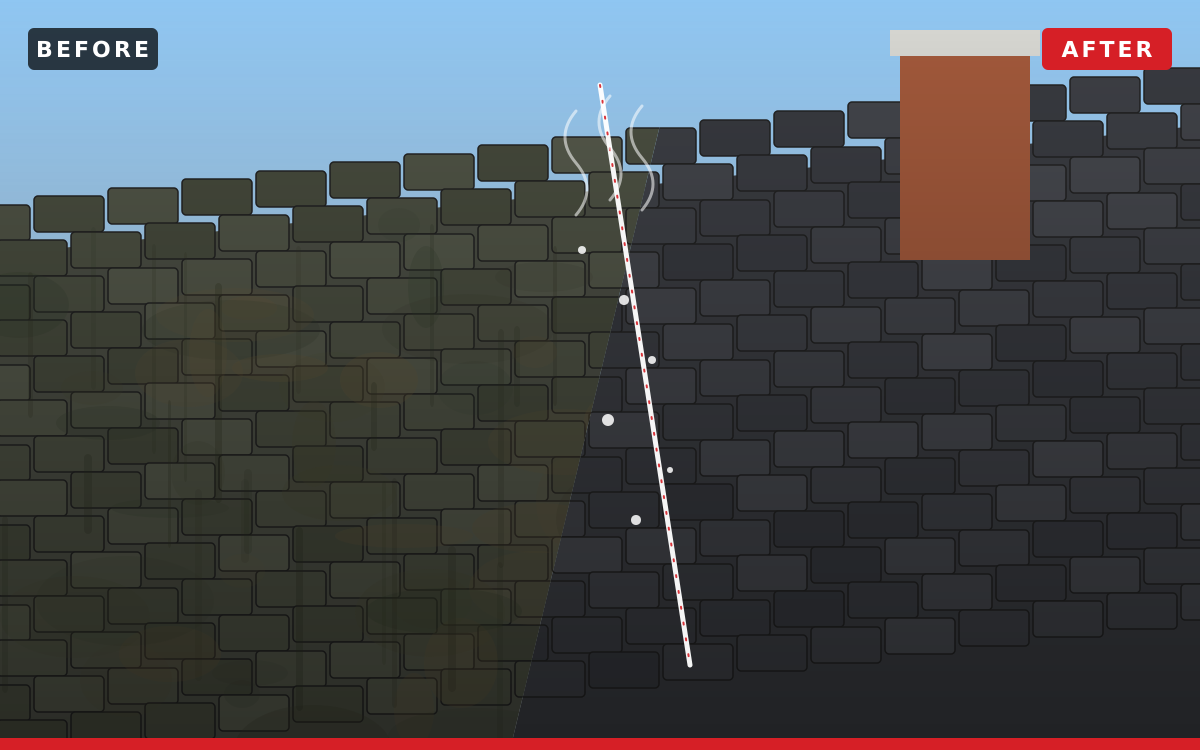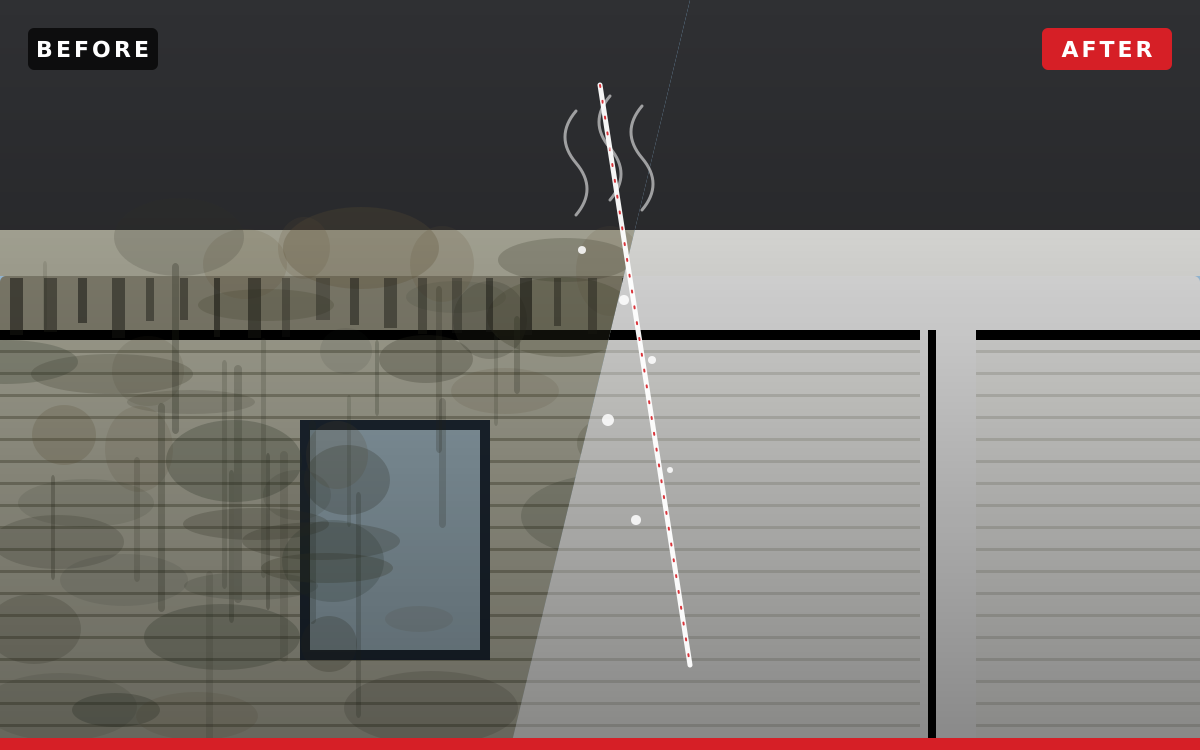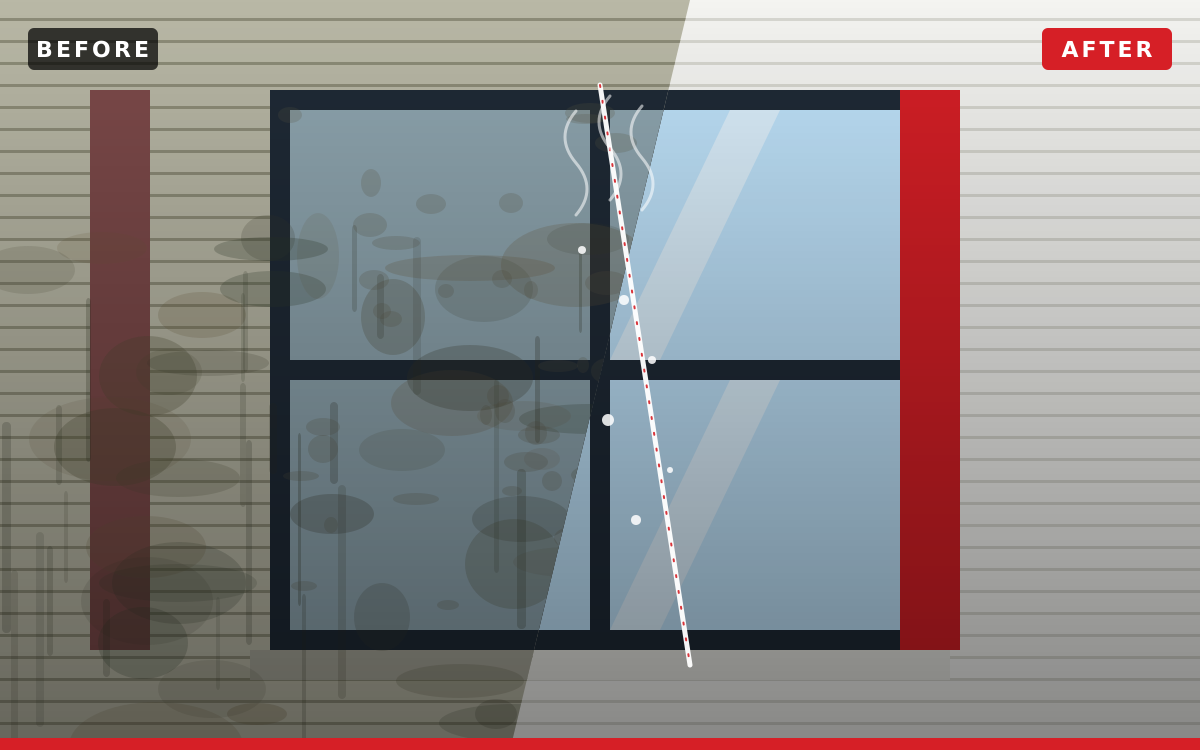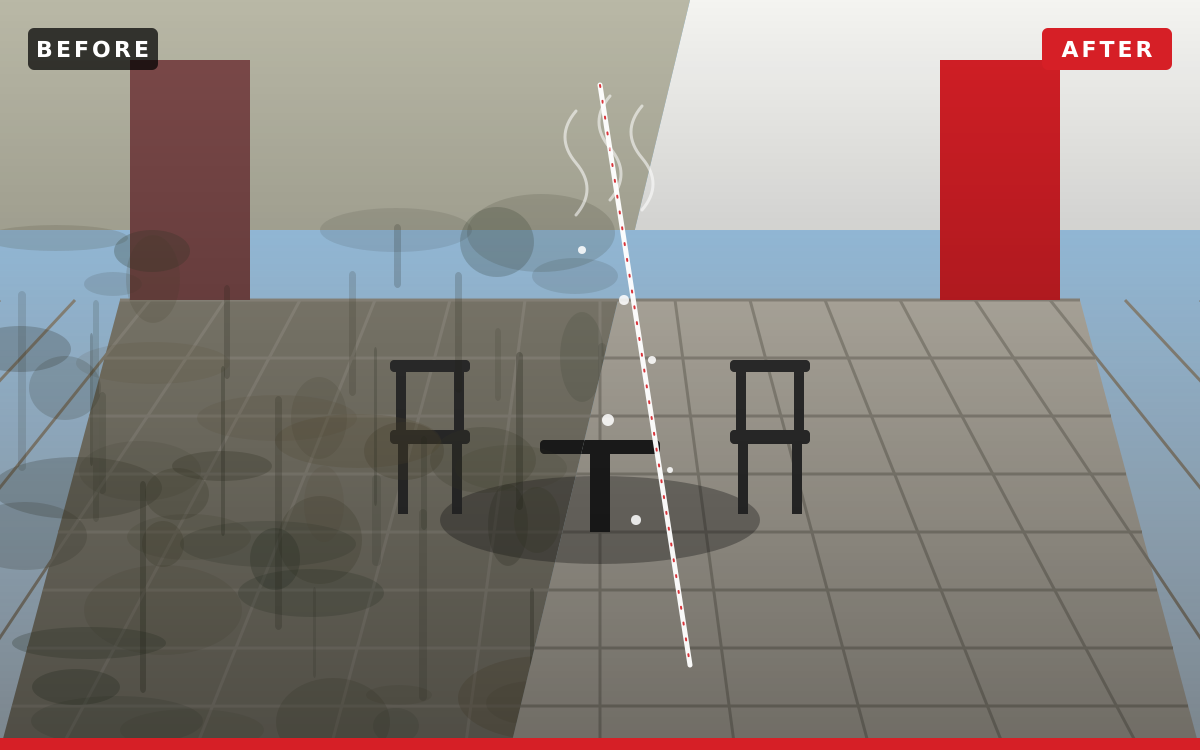
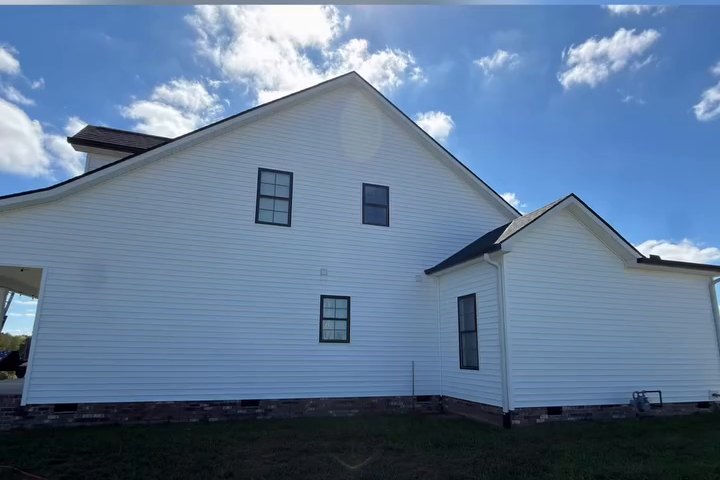
What a house wash actually does
Exterior siding is a magnet for the same few problems across Middle Tennessee and southern Kentucky: algae that shows up as a green film on the shady north side, mildew that appears as black freckles under eaves and around windows, pollen that cements itself after every spring rain, and a gray layer of road and construction dust that settles on everything. Left alone, these growths hold moisture against the siding and slowly break down the finish.
A professional house wash removes that layer at the source. Instead of relying on raw pressure, we apply a cleaning solution that breaks the growth down at the root, let it dwell long enough to work, and then rinse the surface clean. The result is siding that looks like the day it was installed, and a surface that stays cleaner for longer because the spores and organic film that feed new growth are gone.
Why soft washing beats high pressure on siding
High pressure is excellent for concrete, but it is the wrong tool for most siding. Forcing a narrow jet of water at lap siding can drive water up behind the boards, strip paint, gouge softer wood, and loosen caulk around windows. Soft washing flips the approach: low pressure for the rinse, and the cleaning power comes from the solution doing the work. It is the same method used on roofs and stucco, and it is the reason a soft-washed home stays clean looking for seasons instead of weeks.
We still bring hot water to the job where it helps, for example on greasy soffits, oxidized trim, or heavy buildup on garage doors, because heat lifts oils and film that cold water just smears around.
Siding types we clean
We wash vinyl siding, aluminum, painted and stained wood, fiber cement (Hardie-style) boards, board and batten, shake and shingle accents, painted trim, soffits, fascia, garage doors, and exterior doors. If your home mixes materials, such as brick on the first story with vinyl above, we match the method to each surface rather than treating the whole house the same way. Brick and stucco have their own pages: see brick cleaning and stucco cleaning.
What this removes
- Green algae film
- Black mildew and mold spots
- Pollen buildup
- Road dust and construction residue
- Spider webs and wasp nests under eaves
- Rust and dirt streaks below fixtures
- Cobwebs on soffits and trim
Why it is worth doing
- Curb appeal and resale value: a clean exterior is one of the cheapest upgrades before listing a home.
- Longer paint and finish life because moisture-holding growth is removed.
- Safer on your siding than pressure alone, with no gouging or water driven behind boards.
- A cleaner base if you plan to repaint, stain, or caulk.
- Healthier surroundings around doors and windows by removing mildew and allergens.
How a house wash works, start to finish
- Walk-aroundWe look over the whole exterior, note problem spots, delicate fixtures, and anything we should avoid, and talk through your goals.
- ProtectNearby plants are pre-wet and shielded, outlets and light fixtures are protected, and we move what we can out of the way.
- Apply & dwellThe cleaning solution is applied from the bottom up so it does not streak, and left to work on algae, mildew, and film.
- RinseWe rinse from the top down with controlled pressure, flushing everything off the siding and away from the foundation.
- Final checkWe walk the house with you, touch up any spots, and rinse plants and walkways one last time.
Signs it is time
- You can see green on the north side of the house or around the downspouts.
- Black streaks or dots have appeared under the eaves, window sills or around the porch.
- The siding looks dull or chalky even though the house is not that old.
- You are about to list, repaint, or host a big family event.
- It has been more than a year since the last wash. In our humid region, most homes do well with an annual house wash.
Make it automatic with a care plan
House washing is included once a year in all three of our monthly care plans. Plans start at $49 per month and include priority scheduling and member discounts on every other service.
Compare Care PlansFrequently asked questions
How often should I have my house washed?
Most homes in Middle Tennessee and southern Kentucky look best with a house wash about once a year. Shaded lots, homes near lakes and creeks, and houses surrounded by mature trees often benefit from a yearly visit because algae returns faster. Our Essential care plan includes one full house wash per year.
Will soft washing damage my siding or windows?
No. Soft washing is the gentlest effective way to clean most siding. We use low pressure, pre-wet and protect plants, and avoid forcing water into seams, vents, and window frames.
Do I need to be home during the wash?
Not necessarily. We just need outdoor access to water, gates unlocked, and windows closed. We will confirm details when we schedule and let you know when we are done.
Is it safe for my pets, plants and kids?
We pre-wet and rinse landscaping, and ask that pets and kids stay indoors during application and rinse. After the job is rinsed and dry, the area is normal to use again.
How long does a house wash take?
Most single family homes take a few hours. Larger two story homes with a lot of trim, or homes needing extra attention, can take longer. We give you an estimate when we quote.
Can you wash only part of the house?
Yes. Some customers only need the shady north wall or the front elevation done before an event or a listing. We are happy to quote partial washes.